FOR TRAVELERS
How to Help Stray Cats and Dogs While Travelling
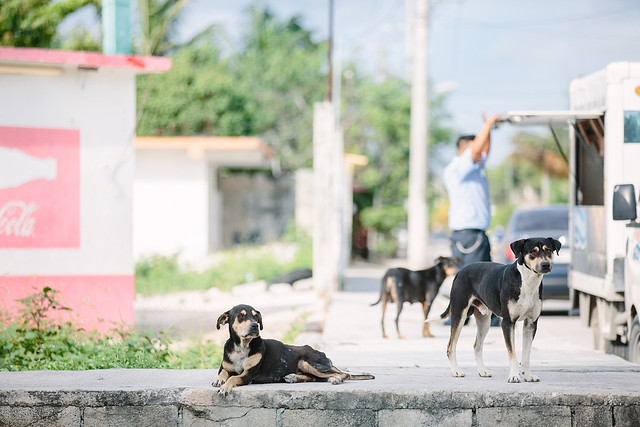
Meeting stray cats and dogs is part of travel in many destinations. Helping well means observing first, acting safely, and respecting the local community. This page tells you what to do in the moment, what to do before you go, and how to help after you are home.
You found a cat or dog. What now?
Take a breath. Most of the time the kindest thing is also the simplest.
1. Observe from a distance. Take a moment to look. Not every outdoor animal is lost or neglected. Many are community animals, or pets used to outdoor life.
2. Keep your distance. Do not pick the animal up, chase it, or corner it. Do not let children approach. A frightened animal may bite or scratch even when it looks friendly.
3. Offer water, and food if the animal is clearly hungry. Place a clean bowl of fresh water in a safe, shaded spot where the animal can reach it without crossing traffic. If the animal is thin or clearly hungry, a small amount of plain, appropriate food in the same safe spot is a kindness. Do not hand-feed, do not let children feed, and do not feed at the roadside. A cat or dog you meet may belong to someone nearby or may need a special diet, so keep it small and simple. Tell the local group or your hotel, so the animal gets regular care rather than one meal that disappears when visitors leave. The local group knows what each animal needs.
4. Note where you are, and take a photo from a distance. A location and a photo help the local group find the animal. Do not pose with the animal or use a flash up close.
5. Contact the local animal welfare group, or tell your hotel. The local group knows the animals, the vets, and what to do next. If you cannot find the group, tell your hotel. Use the words in the script below.
6. If the animal is seriously injured or in immediate danger, contact a local veterinarian or urgent responder. Do not try to move the animal yourself. Please do not overload local charities with reports that are not urgent. The local group will tell you what counts as urgent.
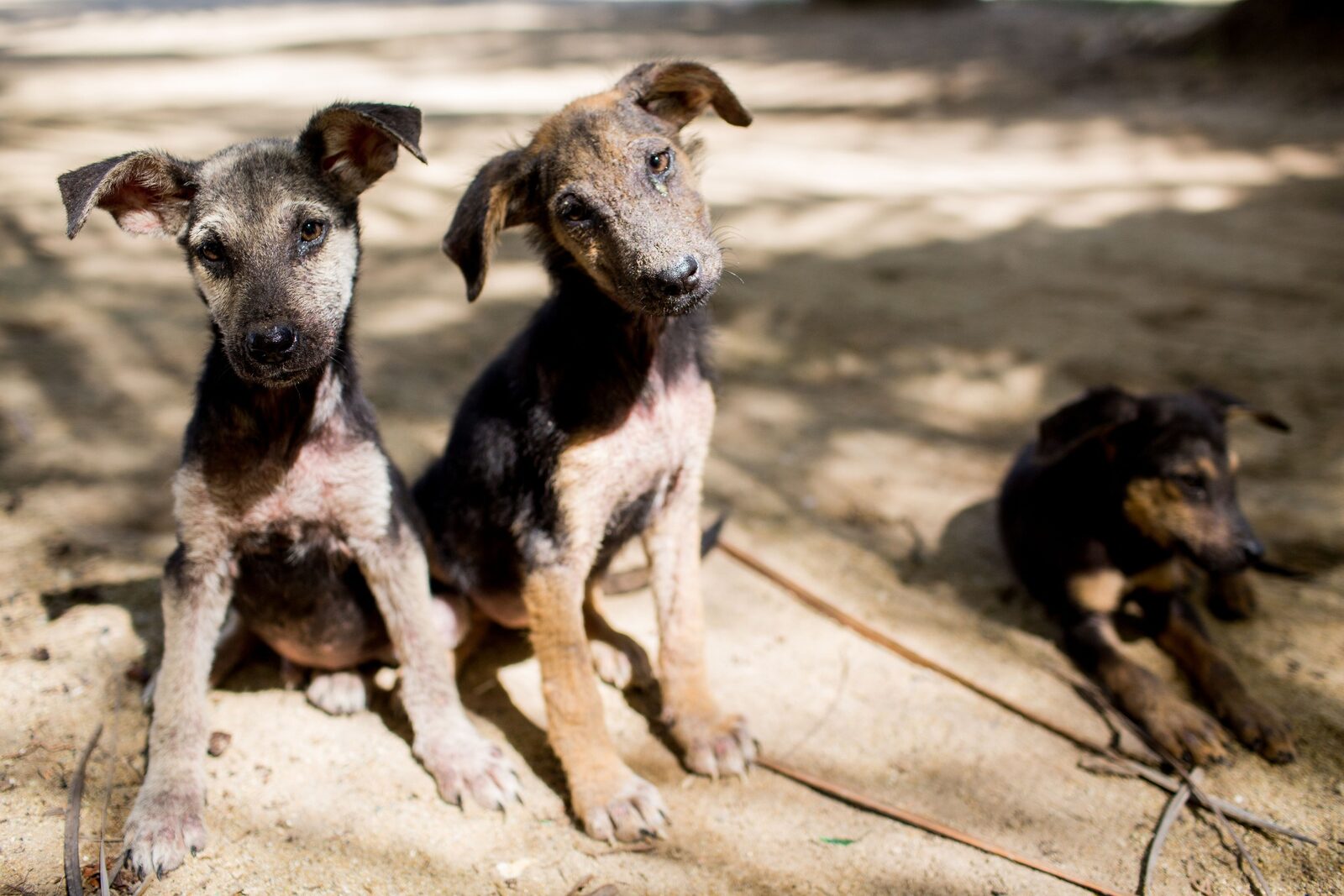
If you are bitten or scratched
Wash the wound with soap and running water for 15 minutes, cover it, and get a medical assessment promptly. Tell the clinician it was an animal bite abroad, and where and when it happened. Do not wait to see whether it gets worse. Keep children beside you around unfamiliar animals, and never let a child pick one up.
Do and don't
Do:
- Observe from a distance.
- Keep children close.
- Offer water in a shaded spot, and a small amount of appropriate food if the animal is clearly hungry.
- Note the location and take a photo from a distance.
- Ask your hotel who the local group is.
- Contact the local animal welfare group.
- Share your story so other travelers learn.
Don't:
- Pick up, chase, or corner an animal.
- Hand-feed an animal, or let children feed one.
- Let children approach or touch an unfamiliar animal.
- Try to treat an injury yourself.
- Take an animal to your room.
- Decide on holiday to bring an animal home.
What to say to your hotel
Say this at reception:
"Hello, we noticed stray cats and dogs around the property. Does the hotel have a community animal care policy, or work with a local animal welfare group? We would like to know who to contact if an animal needs help."
A good answer names a local group or a vet. If the hotel has no answer, note it, and tell us in your story. Guest feedback like yours is how properties improve.
Before you go
Choose a property that cares. A CANDi Tourism Partner works with a local animal welfare group and has a plan for the stray cats and dogs in its destination. See what that means in practice.
Find the local group before you fly. Look up the animal welfare group at your destination, save their number, and know who to call before you need them.
Save this page on your phone. You will want it in the moment, not after. Send it to the people you are traveling with.
Know the basics. In many destinations, stray cats and dogs are community animals. Sterilization, not removal, is what reduces suffering over time. Your kindness on one trip, plus the local group's work all year, is what changes things.
Checklist for Travelers
0 of 10 done.
Thinking of bringing a cat or dog home?
If you have fallen for a cat or dog on your travels, pause before you act. Love at first sight is real. Taking an animal home across borders is a long, regulated process, and the wrong first step can harm the animal and break your heart.
Do not pick the animal up, carry it to your hotel, or try to arrange travel yourself.
Contact the local animal welfare group where you are. They know the rules that apply, the vets who can help, and what the timeline really looks like. Rules differ by the country you are going home to, and they change. The local group will give you the current rules and advice for your situation. That conversation comes first, before any booking, vet visit, or promise.
Expect months, not days. Expect real costs. Very young animals usually cannot travel at all. If it cannot wait months, the kindest help is different, and it still matters. See below.
Never buy an animal to rescue it from a market or a breeder while traveling. That funds the trade you want to end.
Other ways to help the animal you met
- Sponsor a sterilization, so there are fewer kittens and puppies born into the same life.
- Support the local group, so they can care for this animal and rehome locally.
- Ask the group about remote adoption or fostering through them.
- Share your story, so other travelers find the group too.
Help from home
You do not have to be on holiday to help.
- Sponsor a sterilization. Donations fund sterilization clinics and veterinary care through local partners.
- Support the local group you met. Find them again through the directory, and stay with them.
- Offer your time or skills. Local groups need more than money. Ask what they need.
- Tell the story. One honest story sends the next traveler to the right group.
Travelers are already sharing
Real stories from travelers who met stray cats and dogs and did something about it. The good days and the hard ones, published as travelers write them.
Questions travelers ask
Can I feed a stray cat or dog I meet? If the animal is thin or clearly hungry, yes. A small amount of plain, appropriate food in a safe, shaded spot away from traffic is a kindness. Do not hand-feed, and do not let children feed. The animal may belong to someone nearby or need a special diet, so keep it small and simple, and tell the local group or your hotel. Regular feeding belongs to the local group, who can care for the animal all year. Feeding is never an activity to seek out.
Can I bring a cat or dog home with me? Talk to the local animal welfare group first, before anything else. Rules differ by the country you are going home to, and they change. Expect months, not days, and real costs. The local group will give you the current rules and advice.
What if I am bitten or scratched? Wash the wound with soap and running water for 15 minutes, cover it, and get a medical assessment promptly. Tell the clinician it was an animal bite abroad, and where and when it happened.
Thank you for caring enough to ask first. That is what Humane Tourism looks like.